
Blog Posts
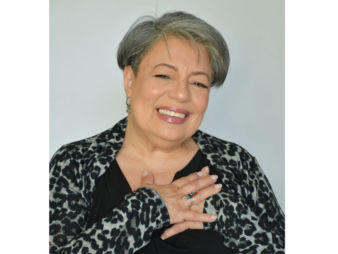
Facilitator Training Feedback: Julia Ojeda
We recently asked Julia Ojeda, founder and CEO of RIO Recovery Inspired Opportunities, to assess GPS’s training program for support group facilitators. Ojeda shared feedback from her assessment in an […]
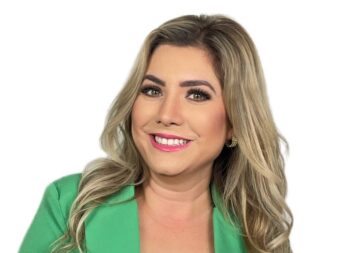
Staff Spotlight: GPS Program Director and Director of GPS en Español Nelly Willis
Nelly Willis walked into her first GPS Group Peer Support (GPS) group seven years ago and took a seat by the door. She didn’t plan on staying. As the leader […]
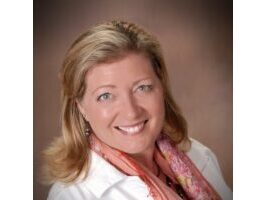
Staff Spotlight: GPS Project Manager Marcy Langrock
In her position as GPS Project Manager, Marcy Langrock applies a broad range of skills that keep us going. Her work touches on everything from finance and tech to administration […]

Partner Spotlight: Perinatal Support Washington
One of GPS’s longest-running partnerships is with Perinatal Support Washington, a nonprofit organization that has run support groups using the GPS model for the past six years. In the organization’s […]
MASStrong for Healthcare Workers
The on-going impact of the pandemic and post-pandemic years to the mental health and well-being of clinicians and caregivers cannot be overstated. Healthcare workers are grappling with pandemic-related trauma including […]

Biology isn’t destiny: healing is possible
As our country grapples with a mental health crisis, there’s been much interest of late in intergenerational trauma—the idea that the effects of a traumatic event can be passed down […]
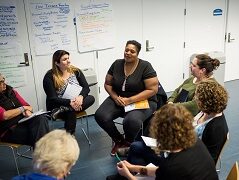
Group-based mental wellness support on campus
It’s no secret that there is a mental health crisis on college campuses across the U.S. fueled, in part, by lingering effects of the COVID-19 pandemic. As a result, students […]

MASStrong for Healthcare Workers Participant Shares Story
‘Having that group was incredible’: In her work as a home health care aide, Latoya Cromartie works closely with her clients, assisting them with vital daily tasks such as bathing, […]

MASStrong for Healthcare Workers Participant Shares Story
'It was like getting on a Zoom call with co-workers to talk about the day': Like many frontline healthcare workers, Karleen Winter experienced unprecedented levels of stress in her life […]